
Education
Penki Draw: Drawing for Kids
Simple visual stages and self-paced subjects keep the artwork offscreen.
Apps observed in Apple’s US App Store charts for Education.
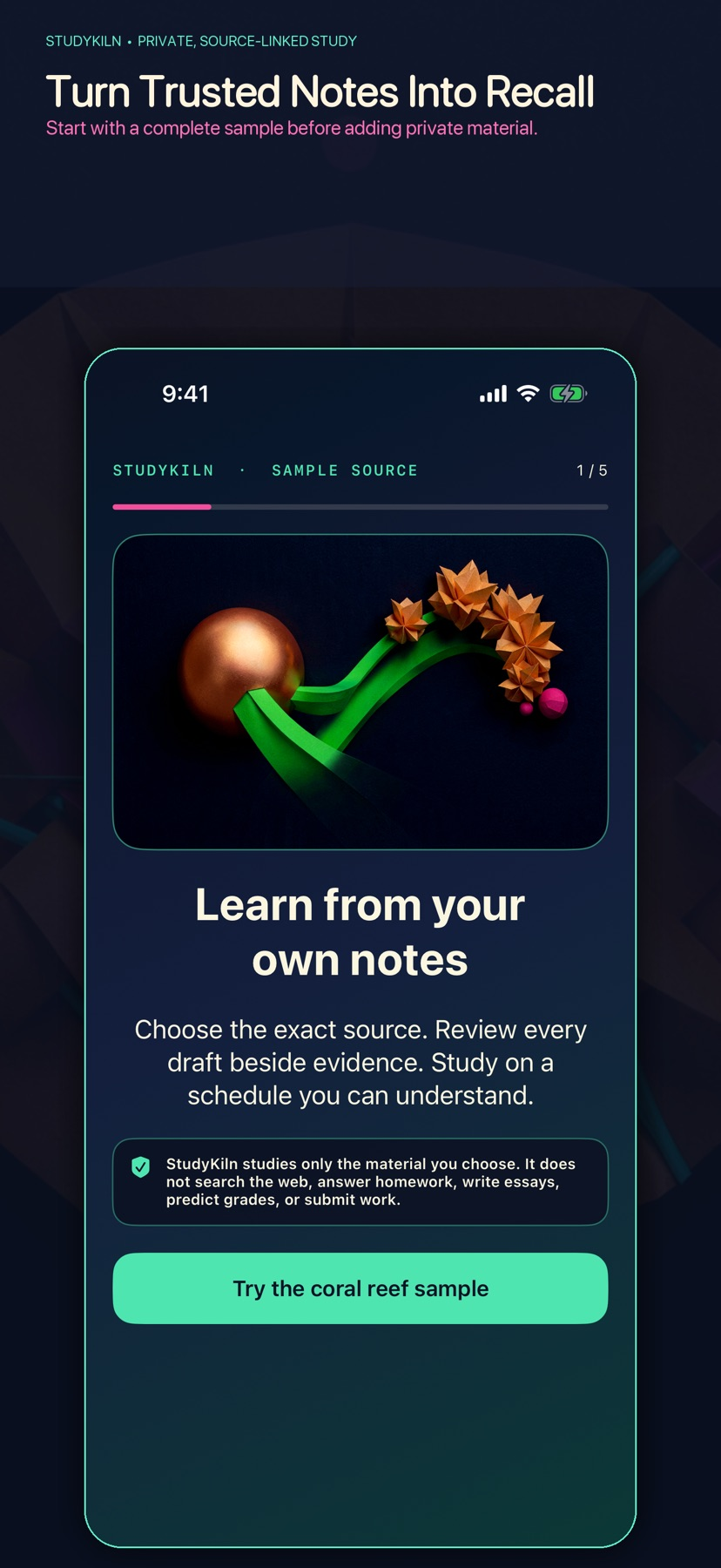
Build recall cards from your own material, review each draft against an exact source excerpt and revisit it on a visible study schedule.
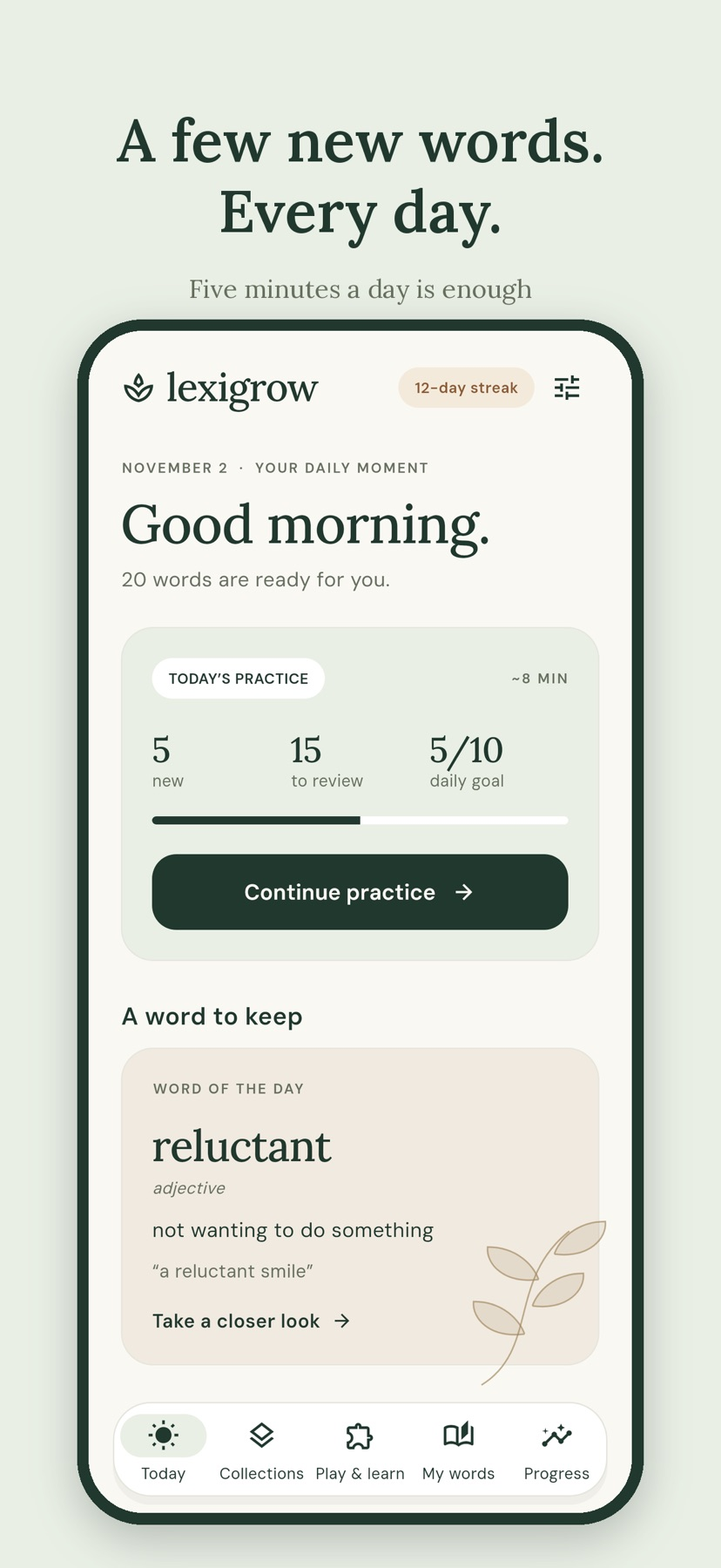
Review English words with spaced practice, examples, related words, exam collections and short word games on iPhone.
Showing 641–660 of 932
Simple visual stages and self-paced subjects keep the artwork offscreen.

Interactive objects encourage making a story without a fixed script.

The elevator lets you bring objects between floors and try unexpected combinations.
Multitouch lets a caregiver join the story.

Optional decoy objects let the same idea offer a simpler or more demanding puzzle.
An optional set of decoy parts increases the challenge after the basic arrangement is understood.

Optional decoy objects adjust difficulty without changing the basic interaction.

Sorting and favorites help learners revisit simulations without relying on classroom Wi-Fi.

Text, photo and QR layouts serve different print jobs.
Spoken words and robot-piece rewards connect listening with letter choices.
Highlighted letters connect the sound to its spelling, and adjustable pacing supports several practice styles.

Introduction, spoken review and written review let learners repeat selected items in different ways.

No required account and no built-in social sharing reduce setup and public-posting steps compared with a social editor.

A collection log and care reminders connect identification with ongoing gardening.

Offline and hands-free modes can reduce screen dependence.

Large coloring areas and multiple brushes provide accessible starting points.

Families can sample selected titles before paying for the catalog and interactive stories.

Parents can review conversations and clarify answers rather than relying solely on filters.

Tappable controls and organized handbook topics connect a diagram to the associated descriptions and limitations.

Short activities and repeated melody patterns provide different ways to listen and respond.