Education
Second Grade Learning Games
Lesson selection can target a particular skill.
Apps observed in Apple’s US App Store charts for Education.
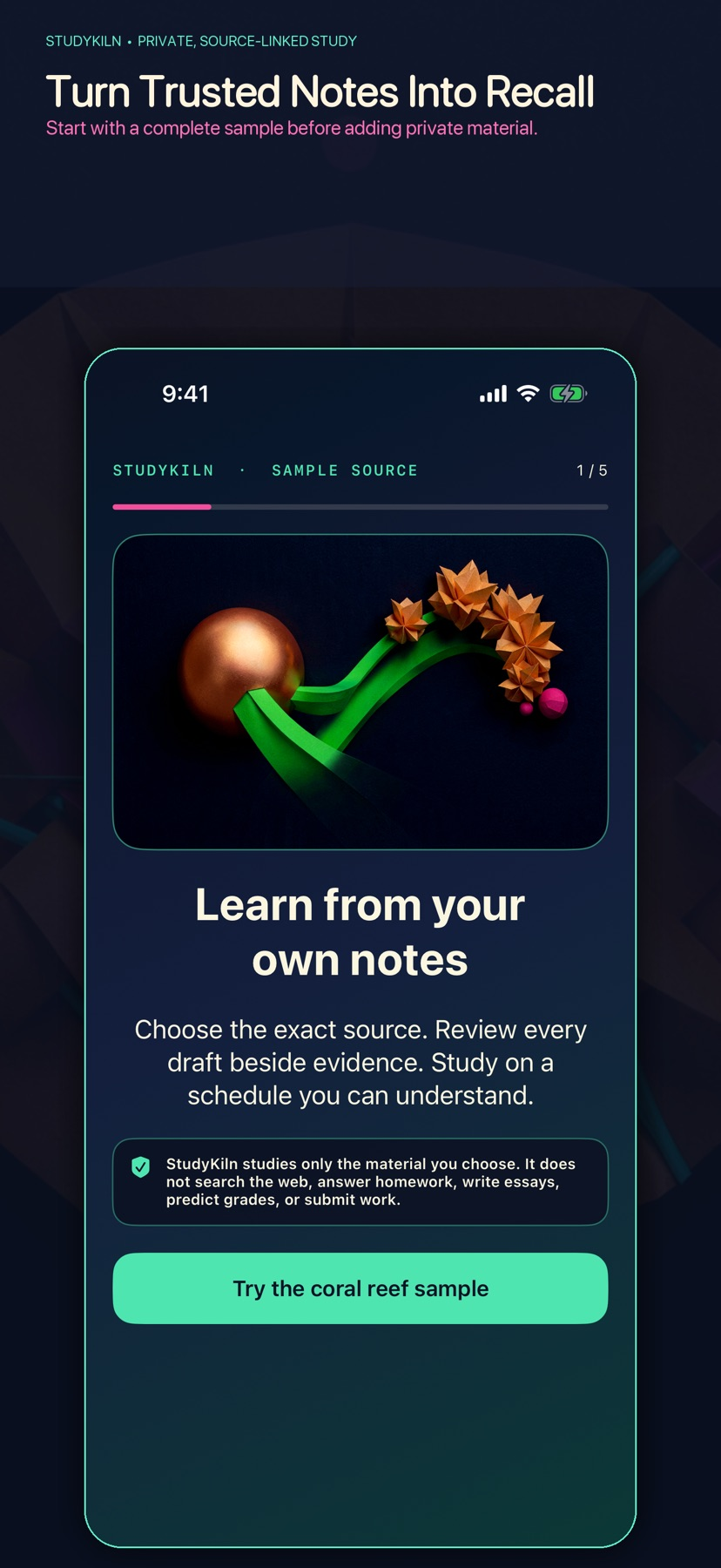
Build recall cards from your own material, review each draft against an exact source excerpt and revisit it on a visible study schedule.
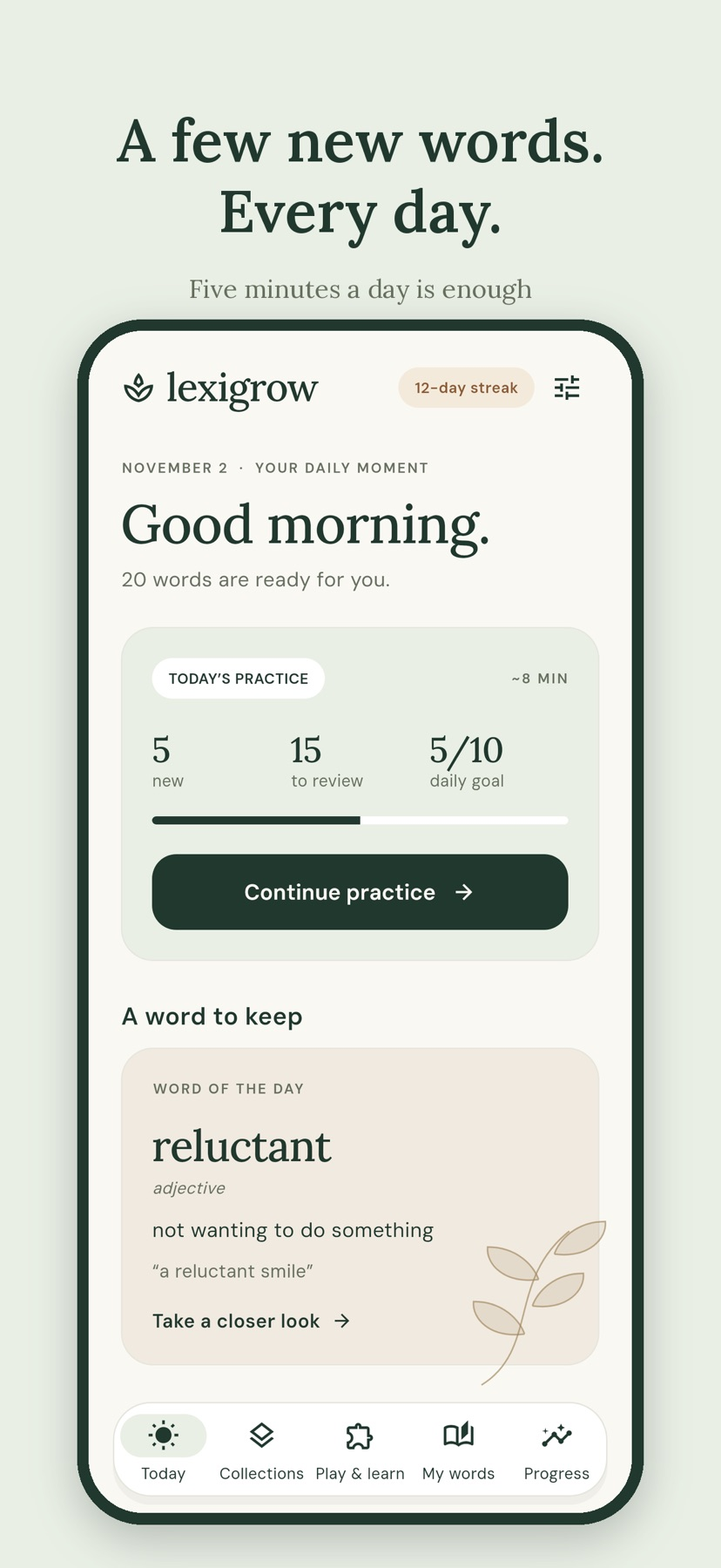
Review English words with spaced practice, examples, related words, exam collections and short word games on iPhone.
Showing 721–740 of 932
Lesson selection can target a particular skill.

Local species suggestions give a starting point for learning.

Consider Sensonym as a vocabulary supplement when a story and a meaningful action help you stay interested in practice. Check the story difficulty and try its interaction style before subscribing: a phone gesture can make a scene distinctive without proving that you will remember the word later. It is a different practice format, not an established replacement for conversation, grammar or a complete language course.

Thirty scenes and simplified controls let a carer adjust the experience.
A free optional account can keep favorites available across the app and website.
Combining and decorating letters connects simple word formation with an accessible theme.
Several formats can vary a short play session.

Combined filters and saved favorites connect discovery with practice.
A sequence of everyday tasks gives a recognizable play structure.

Movable goods and costumes support self-created scenes.

Offline species search and a local logbook support field comparison.
Word selection can align the activity with current classroom practice.
Multiple recognition tasks present the same words in different contexts.
Swipe cards and tap-to-hear controls keep practice simple.
Cumulative levels and separate learner profiles help revisit familiar high-frequency words.
Difficulty and selected-word controls can match a brief practice goal.
Individual word selection targets practice within grade categories.

Changing a mechanism and observing a response gives children a concrete visual starting point for questions.
Forty-two lists and per-word feedback allow repeated work on specific patterns rather than only a pass/fail test.
Syllable breakdown, rule hints and letter feedback support guided correction.