Meta Muse
Muse is a cloud personal-agent service for tasks and ongoing goals, with free entry and paid subscriptions.
People looking for a personal-agent workflow around bounded tasks and continuing goals.
Muse is a cloud personal-agent service for tasks and ongoing goals, with free entry and paid subscriptions. Its activity trail, Goals view and action approvals are useful when a request needs follow-up beyond a single chat reply; availability still depends on the market and account.
Keep in mind: Market rollout determines access; a US announcement is not worldwide eligibility.
Inside the app
Official product images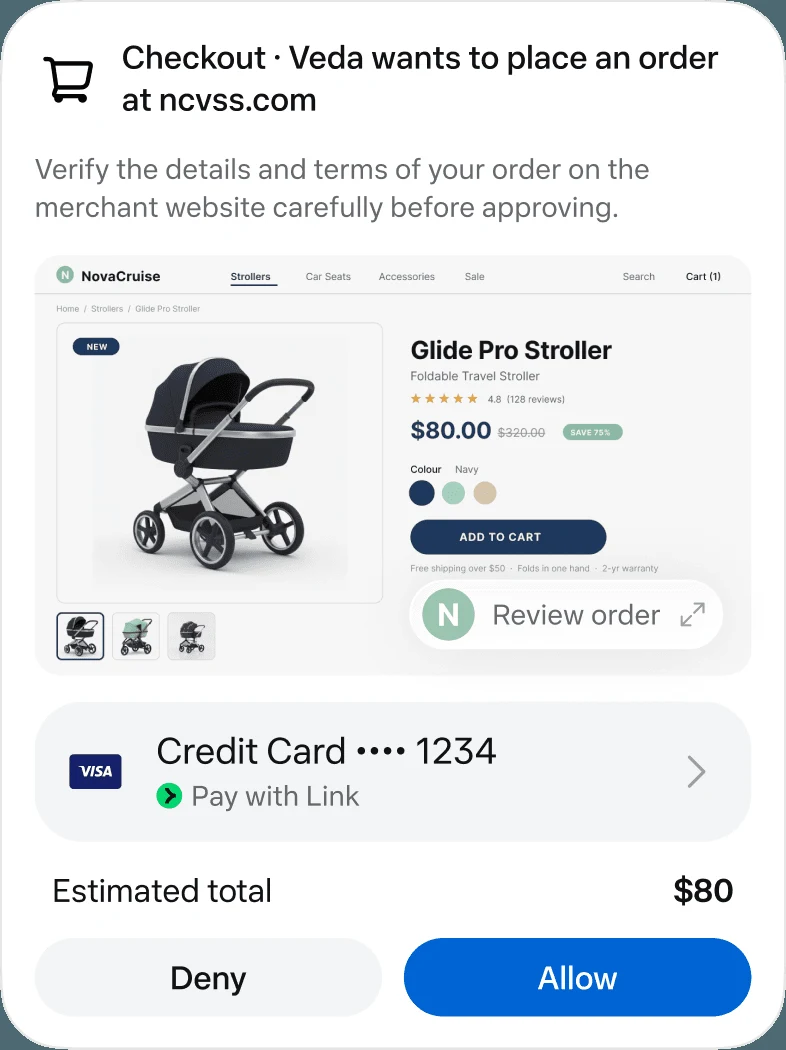
What you can do
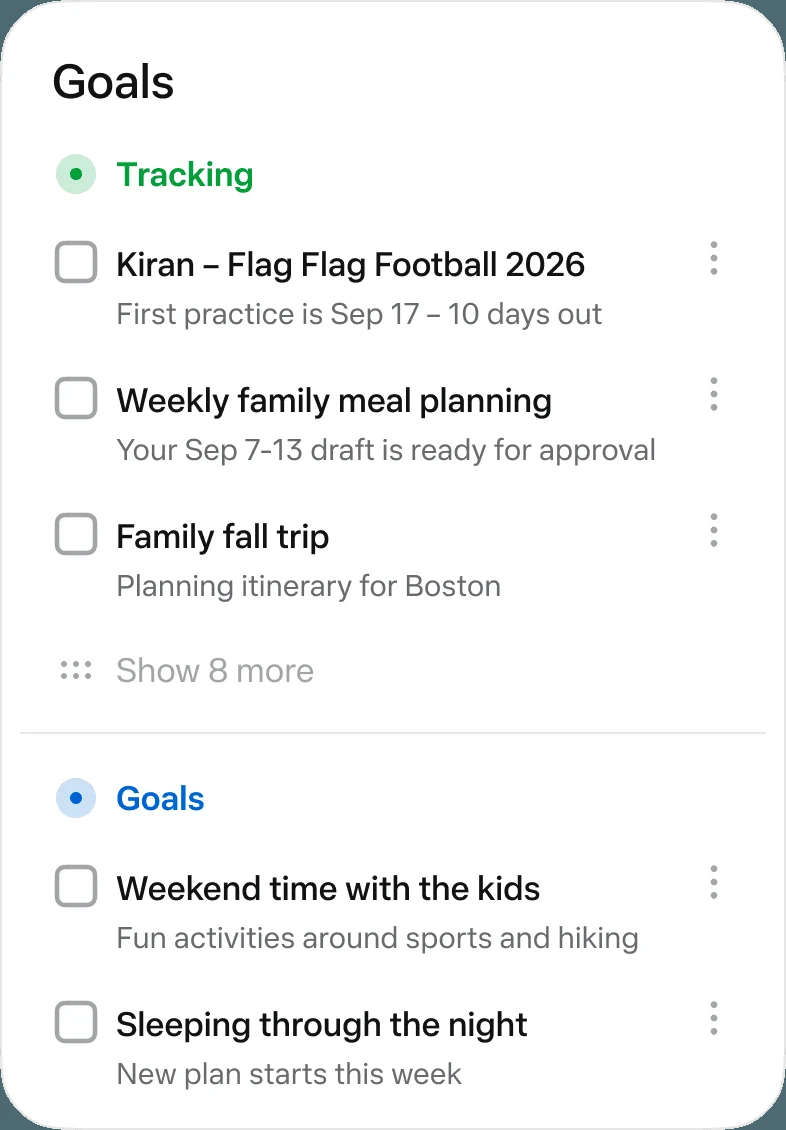
- One-off tasks and continuing Goals with visible activity.
- Dedicated cloud VM and browser, independent of the phone app.
- Provider describes audit trails, email read/send choices and sensitive-action approvals.
Good for
- People looking for a personal-agent workflow around bounded tasks and continuing goals.
Consider alternatives for
- People requiring all processing on their own phone or assuming worldwide access from the launch announcement.
Tasks, goals and reviewable outputs
Use a one-off task for a bounded result such as three workshop venues. Use a continuing goal for work that needs monitoring. Specify the source links, constraints and milestone you want returned so an attractive generated plan can be distinguished from completed external work.
Inspect activity before granting a wider role
Muse’s published interface shows ongoing activity and tracked Goals; its launch describes an audit trail of work done and planned. Review the trail when a goal stalls, and inspect the action details when a checkout or communication needs approval.
What the cloud design does and does not establish
Meta describes a dedicated cloud VM, secure credential storage and a separate Sentinel layer. It also described Confidential VM as a later rollout. Do not turn the dedicated-VM description into a promise that all processing stays on your phone or that every account has the future confidential-computing configuration.
Limitations & considerations
- Market rollout determines access; a US announcement is not worldwide eligibility.
- Cloud VM isolation is different from on-device processing or a future Confidential VM rollout.
- Free entry does not establish a published unlimited background-work allowance.
Privacy & permissions
Meta’s launch describes choices for connected-service access, disconnecting, forgetting learned details and opting out of interaction-based model training. These are distinct controls; disconnecting an account is not the same operation as removing retained context.
Use it for
Guides & comparisons
Sources & review notes Updated Oct 24, 2026
Reviewed by iApp4Me Editorial Team. Recommendations use the linked documentation and attributed accounts; device observations are identified separately.
- Meta: introducing Muse
Launch and product positioning; updated September 30, 2026.
- Meta: how we built safety into Muse
Provider description of VM isolation, permissions and approval controls.
- Meta: Muse launches in Japan
October 23 regional availability update.
No comments yet. Be the first to share your experience.